

Complete Kenya — Private Safari Proposal
by Daniela Berbece, Founder — Enjoy Touring
The majestic Great Wildebeest Migration in the Maasai Mara — a once-in-a-lifetime spectacle.
(Prime months for crossings and peak wildlife activity are generally July–October, with river crossings often occurring in August–September.)
Why visit now (and what to expect)
July – August marks the height of visitor interest in the Mara because of the migration — expect spectacular wildlife viewing, lively river crossings, and higher rates and lodge demand during this window. Plan early if you want luxury tented camps or top lodges.
We travelled in October and we loved it! Check out this article with our daily diary, to get our true story on how to FEEL KENYA
How to combine coast + safari (best-value flow)
If you’re travelling via Mombasa, Nairobi, or Diani, there are convenient fly-in options straight to Maasai Mara airstrips — perfect for pairing a beach stay with a short, intense safari. Domestic carriers operate regular scheduled and charter flights between the coast and the Mara airstrips.
Recommended route (balanced for comfort and wildlife time):
Fly into Nairobi (international entry) → road transfer to Lake Naivasha (optional stop) → Lake Nakuru → short domestic flight to Maasai Mara → fly out from Mara to Mombasa / Diani / Zanzibar (or Nairobi).
If your Mara stay is only 2 nights, skip long return drives — prefer fly-in or fly-out legs to reduce road fatigue and maximize game viewing.
Sample “Complete Kenya”
A streamlined option that pairs coastal relaxation with classic Kenyan safari highlights:
Stay & game
2 game drives per day (or optional full-day drives)
2 nights full-board in a safari lodge in the Mara
1 night full-board in Lake Naivasha lodge
1 night full-board in Lake Nakuru lodge
Transport
Road transfer: Nairobi → Lake Naivasha → Lake Nakuru
Domestic flight: Lake Nakuru → Maasai Mara airstrip
Flight: Mara airstrip → Mombasa / Nairobi / Zanzibar
Day 1 – Nairobi – Maasai Mara
After an early breakfast, we depart by 4×4 vehicle towards the Maasai Mara National Reserve.
We set off enthusiastically into our African adventure! The guide leads us to the Maasai Mara National Park. There’s time to sing, laugh, feel the African rhythm, listen to our guide’s stories, and “blend in with the wild.”
The distance between Nairobi and Maasai Mara is about 230 km, so the six-hour drive unfolded through ever-changing landscapes: rolling green hills, tiny villages, children waving from the roadside, and herds guarded by proud Maasai warriors in red.
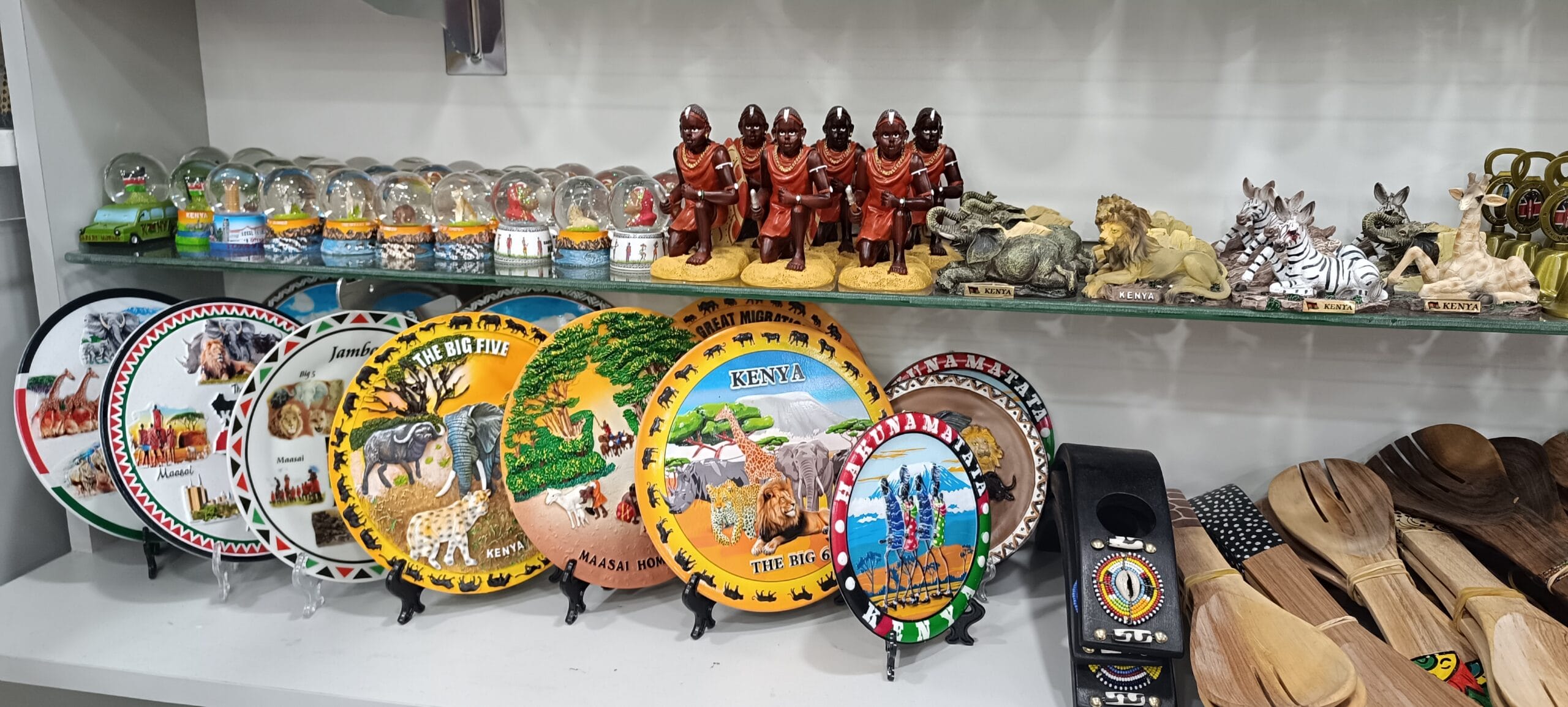
We stop at a Rift Valley viewpoint, browsed a local craft shop, and admired the endless horizon. As we approached the savanna, the air turned warm and earthy.
When we arrived at PrideInn Mara Camp 4* just in time for lunch.
Alternative accommodation: Sarova Mara Game Camp 4* or Serena Mara 4*
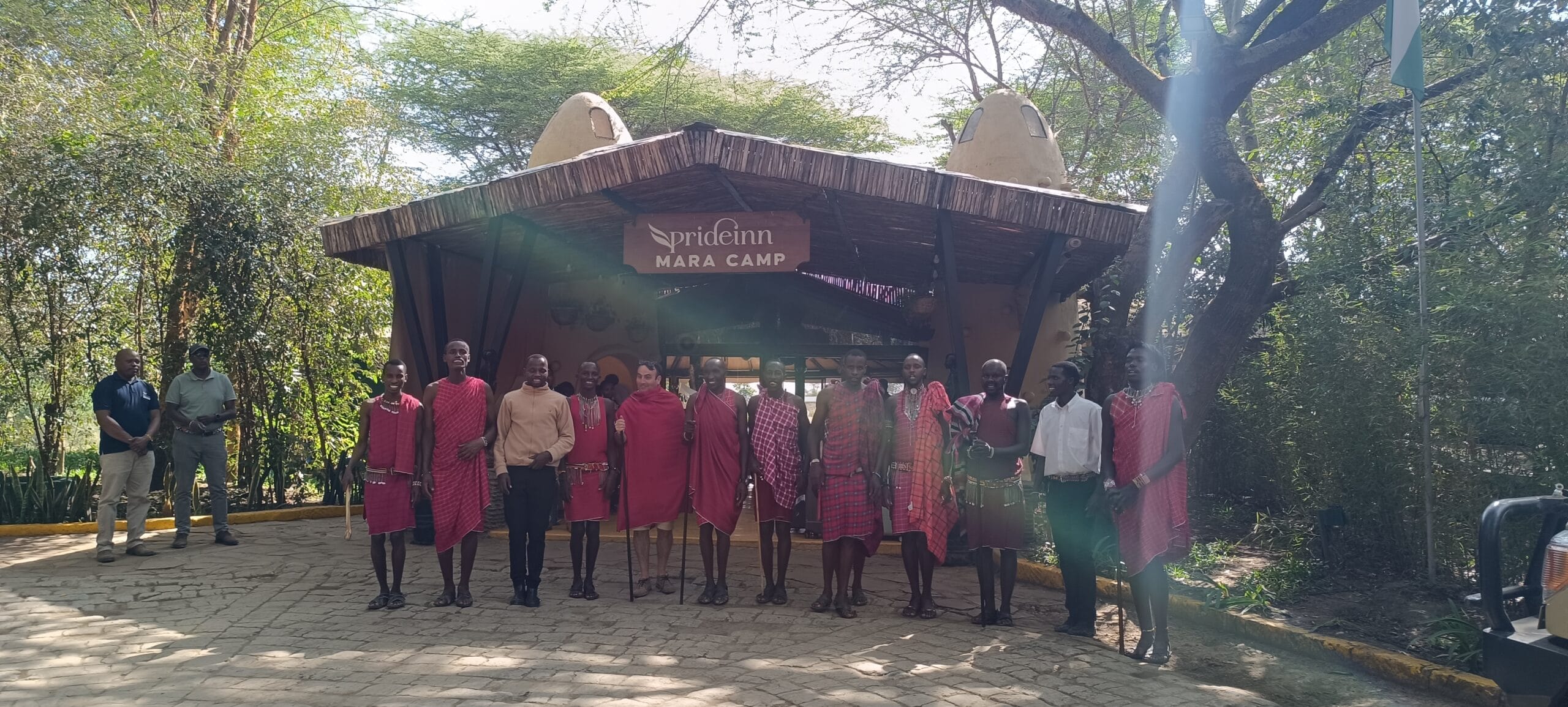
We are greeted with traditional Maasai dances — we even tried a few jumps ourselves to “blend in.”
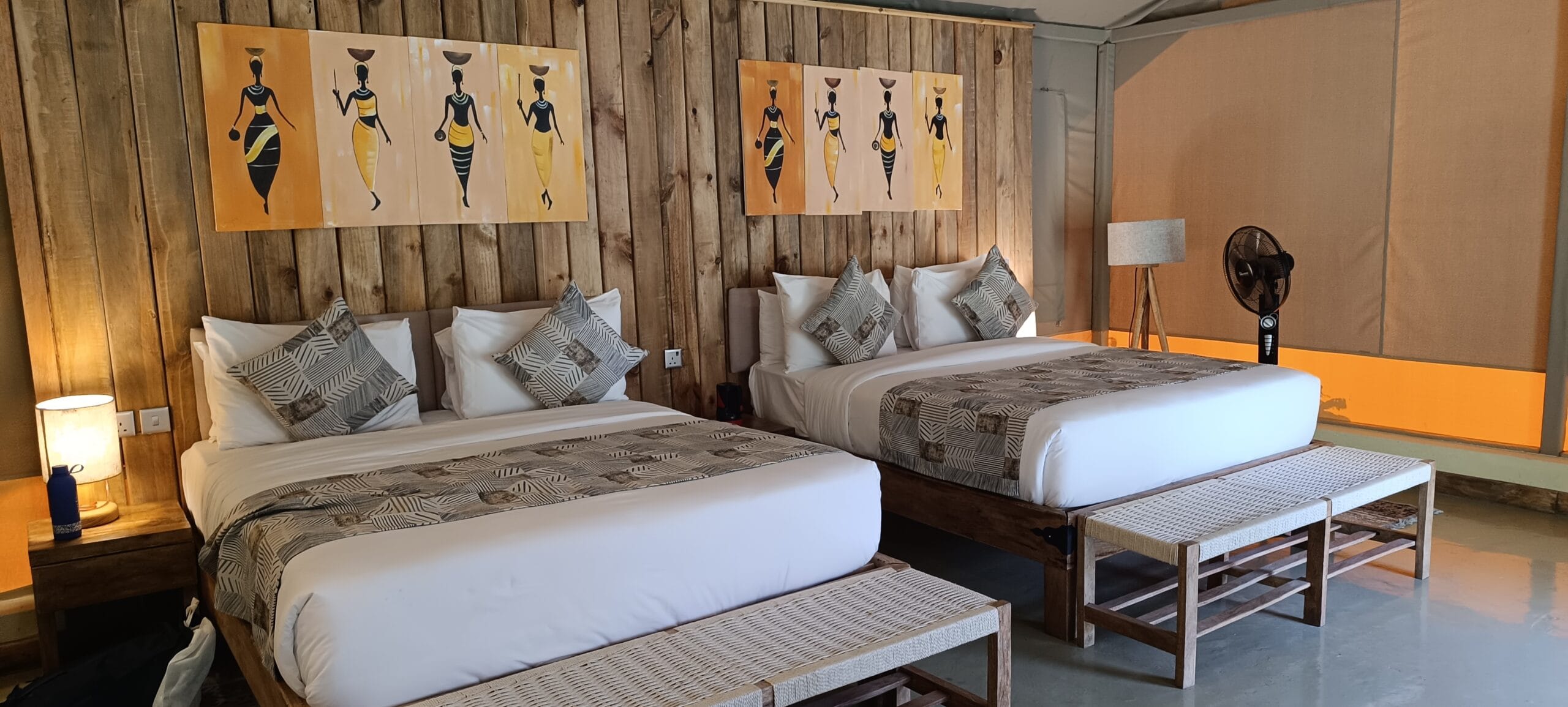
Our tented suite felt like a boutique hotel in the wild — spacious, elegant, with a view over the river and an inviting pool area.
Optional for the evening was a visit to a Maasai village, where locals shared songs, dances, and the beauty of their simple, dignified life — selling colorful beaded jewelry, each piece telling a story.
After lunch, we set out on our first game drive through the Maasai Mara. If luck is on our side, we might spot the famous Big Five — lion, elephant, leopard, rhino, and buffalo.
The Maasai Mara is actually the northern extension of Serengeti National Park in Tanzania, forming only about 4% of the entire Serengeti–Mara ecosystem.
Its endless green plains, crisscrossed by rivers, provide one of the most unforgettable safari experiences in the world.
In the evening, we return to the lodge. You may unwind by the pool or enjoy a drink at one of the lodge’s bars.
If you prefer privacy, relax on your terrace and take in the sweeping views of the vast Maasai Mara plains.
Day 2 – Safari in Maasai Mara
A full day dedicated to game drives!
We start with a sunrise safari, the best time to see animals as they head to the rivers to drink or hunt for food. The soft morning light creates incredible photo opportunities.
We stumbled upon a lioness feeding her cubs, fresh from a hunt.
I took a photo of how the warthog became lunch.

Our driver chuckled: “The warthog is not the smartest animal — it runs, then stops to think why it was running.”
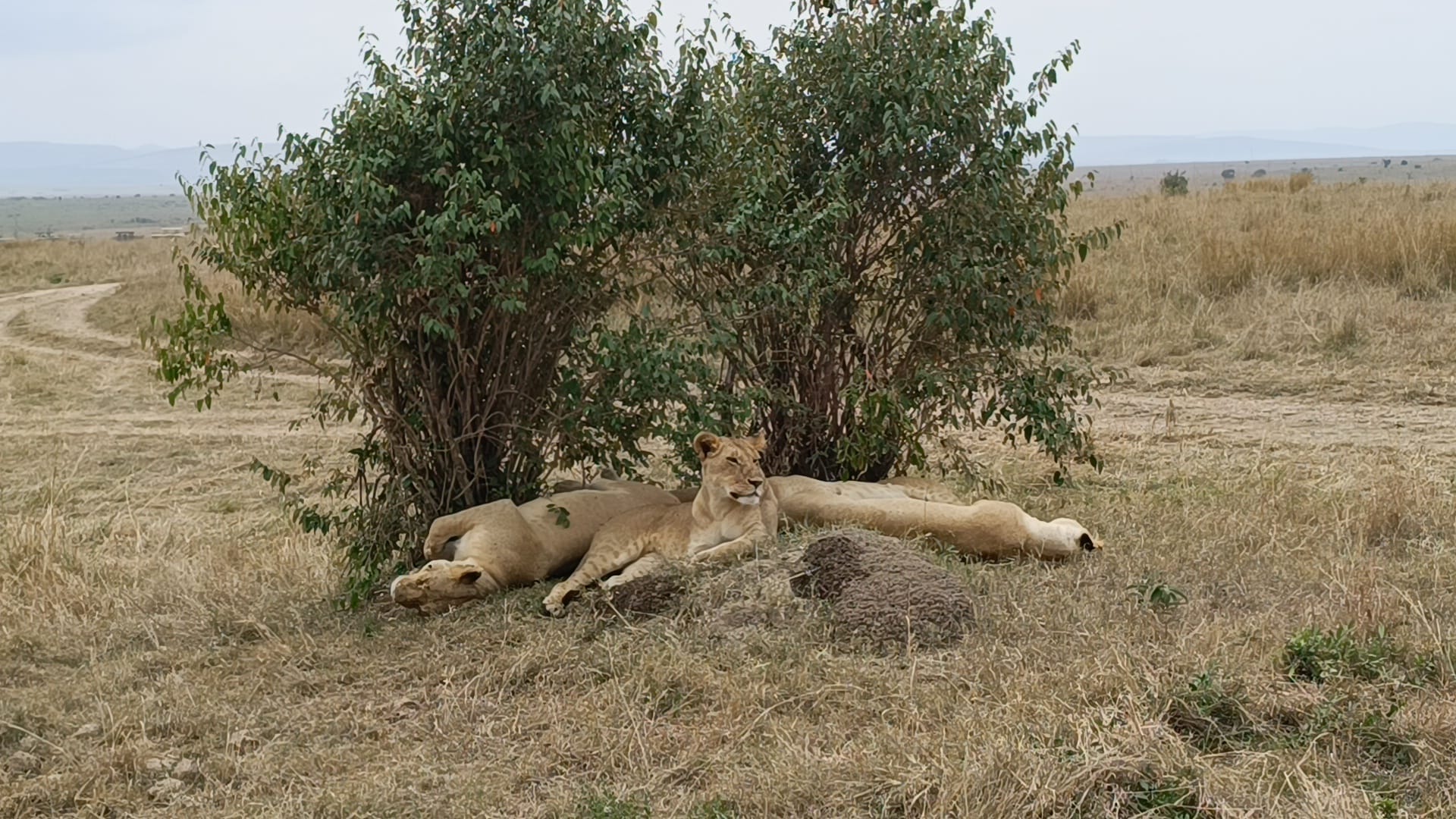
Poor creature, but nature follows its rhythm. We later saw lions resting lazily under acacia trees — full and content.
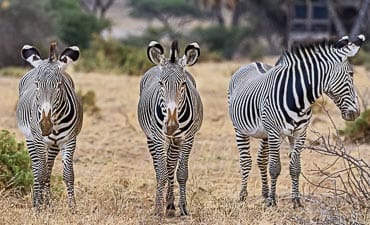
Zebras stood perfectly aligned, like dancers in a silent performance, what a sight!
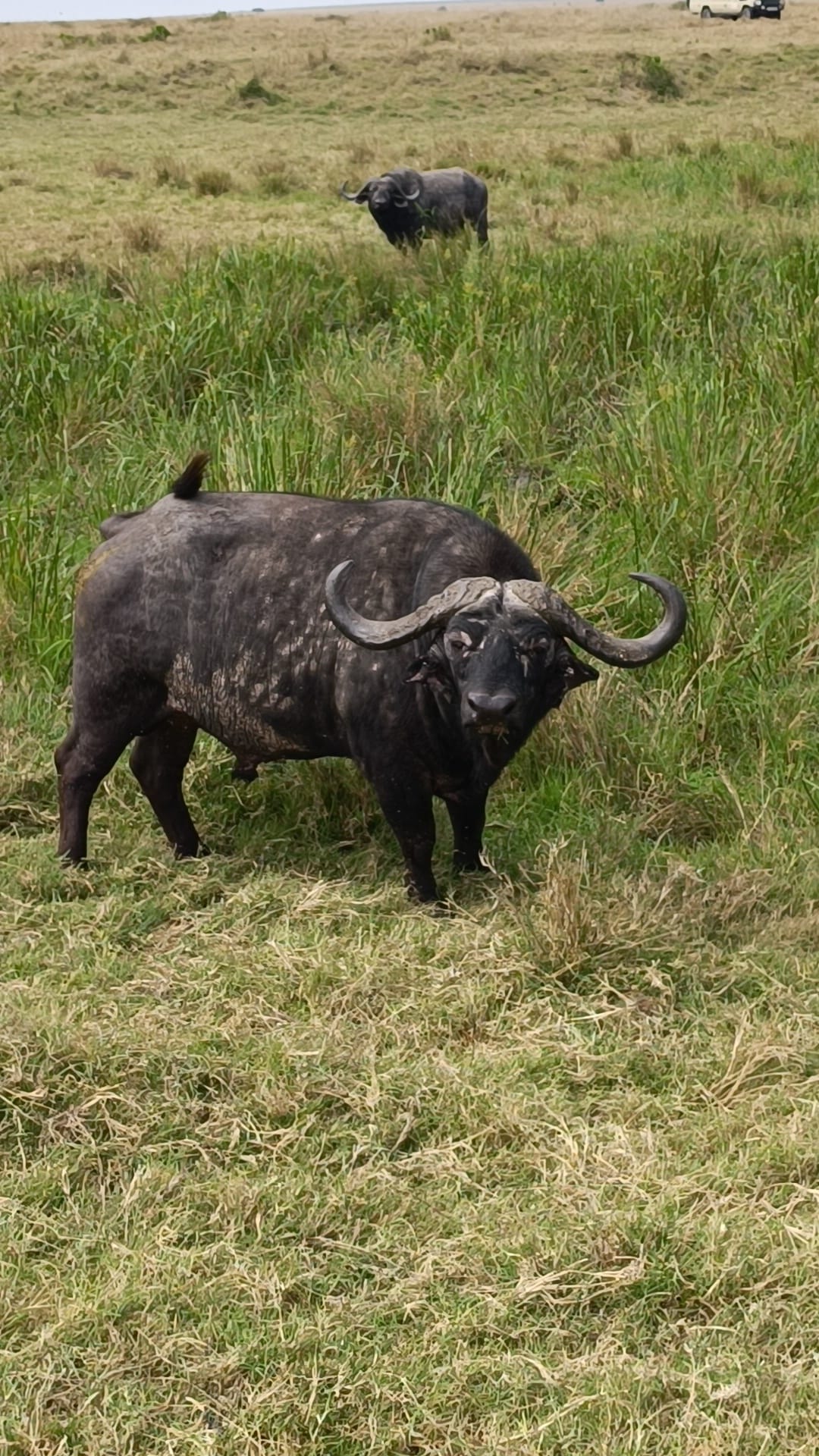
But what’s it like when a mountain of strength stares straight into your eyes?
At first, he seems gentle, doesn’t he?
I waved at him playfully — but he just walked away, calm and detached, chewing lazily.
There’s something deeply moving about life in balance here — raw yet peaceful.
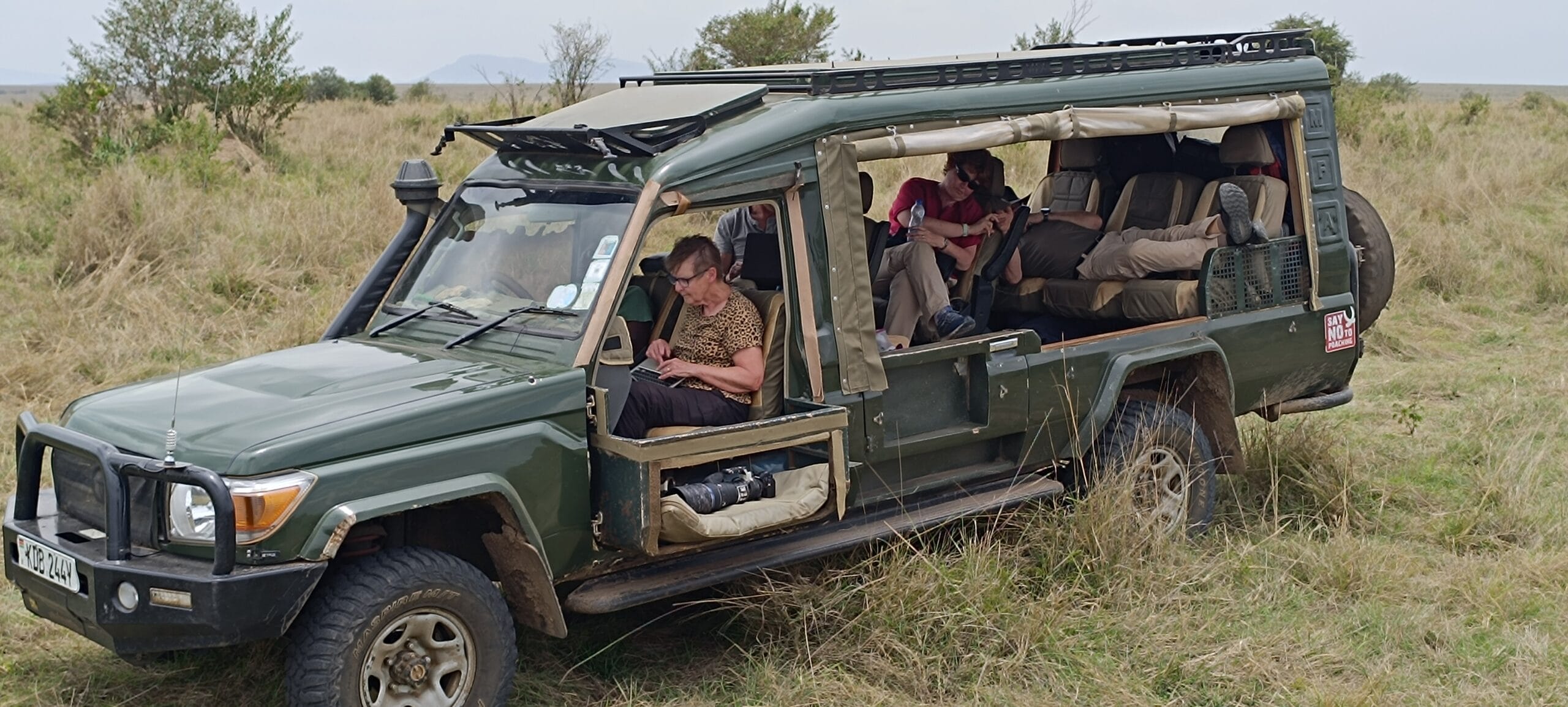
Even the American tourists fell asleep with their cameras in their hands…
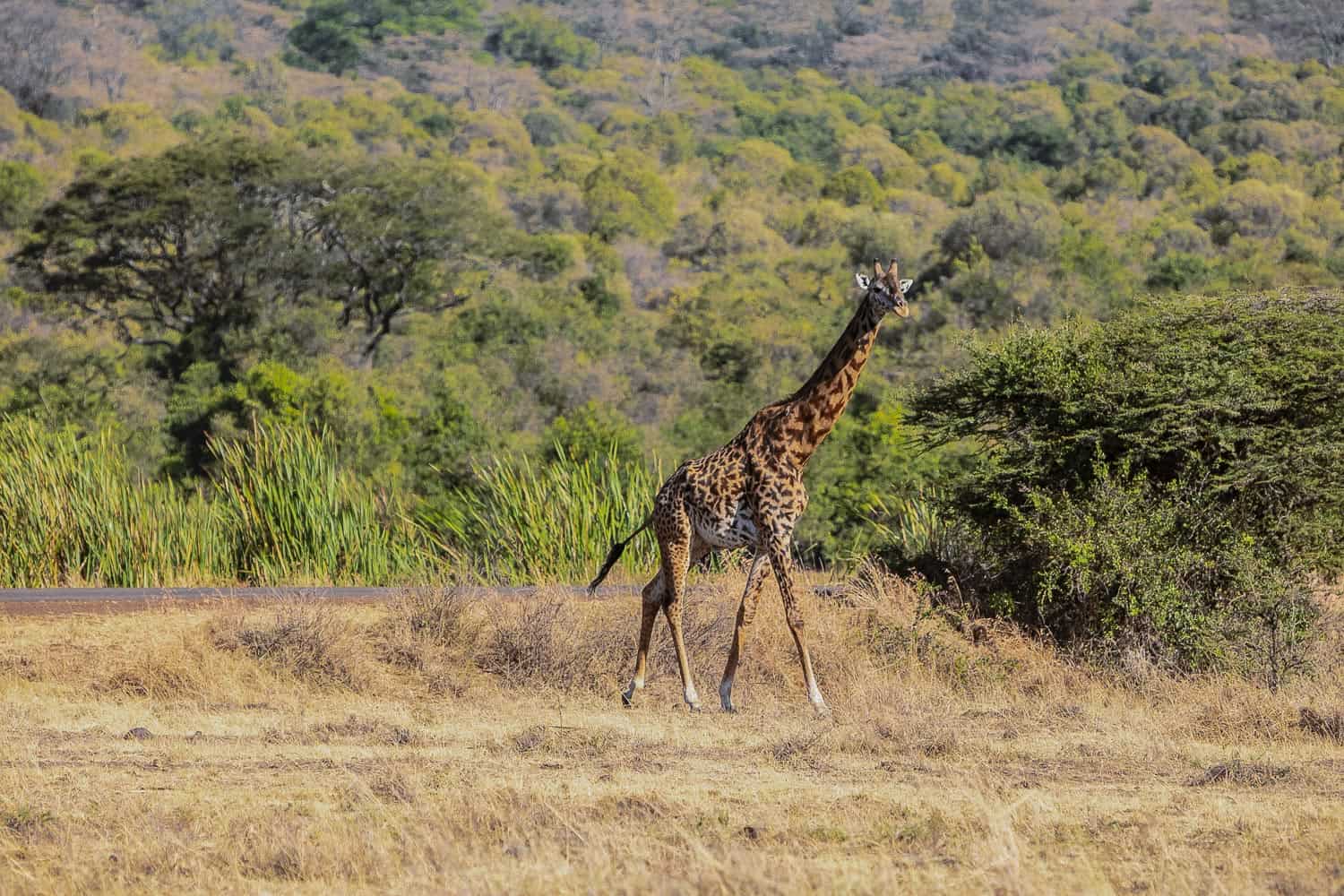
That giraffe radiates pure grace!
Her swaying walk feels like an open invitation to join her for a slow stroll across the savanna…
In Masai Mara, you’re just meters away from The Big Five, and if you’re lucky, you’ll witness a sunset that stays with you forever.
Our local partners are at your disposal.
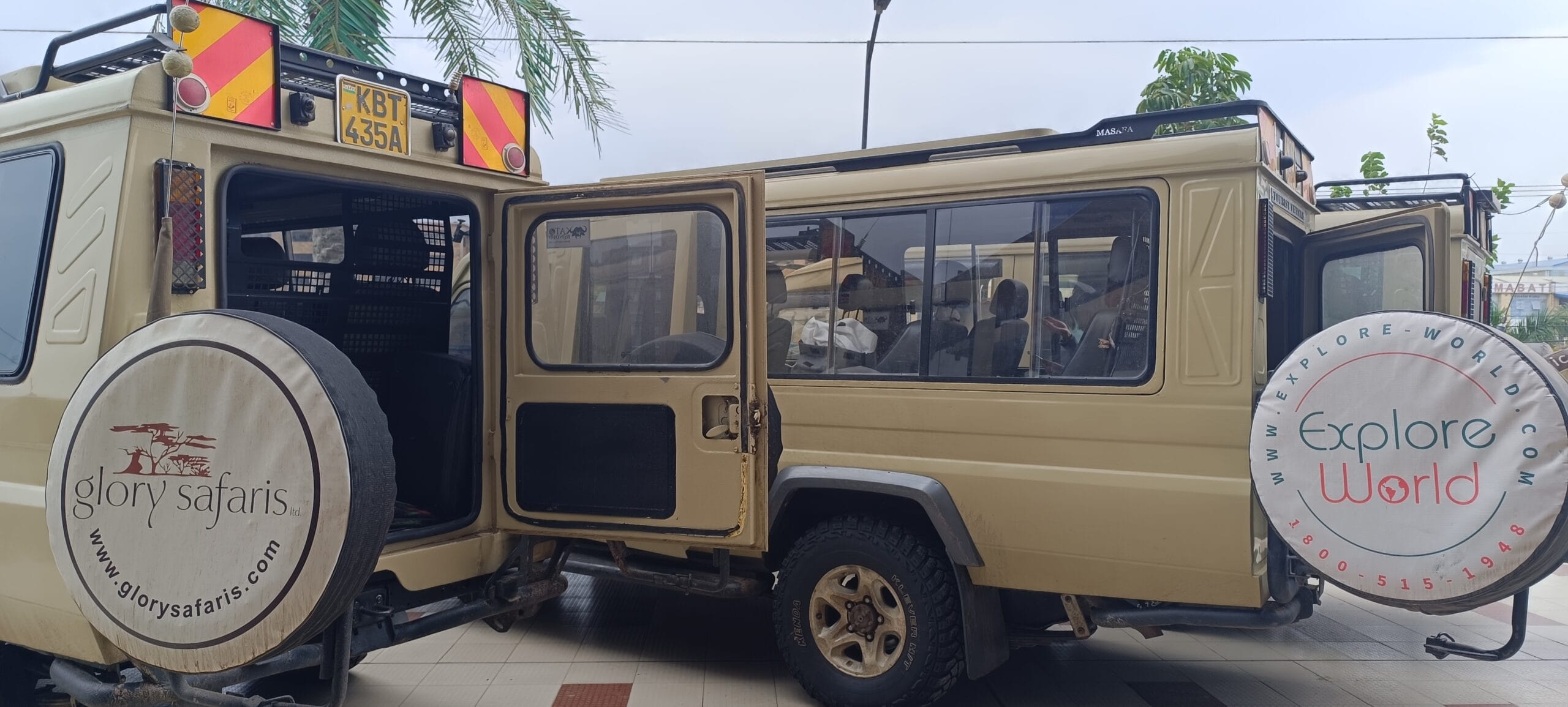
Day 3 – Maasai Mara – Lake Nakuru
The distance between Maasai Mara and Lake Nakuru is about 190 km (roughly a 4-hour drive). We continue the fun, enjoying the full African vibe!
The best season to see millions of flamingos on Lake Nakuru is July, August, September, December, January, and February.
The park hosts over 400 bird species, including both greater and lesser flamingos feeding on lake algae, as well as the African fish eagle, green wood hoopoe, long-tailed widowbird, rufous-necked wryneck, and sunbirds of dazzling color.
When flamingos gather, the lake appears entirely pink, as they feed in lines on algae-covered sandbanks — a truly surreal sight.
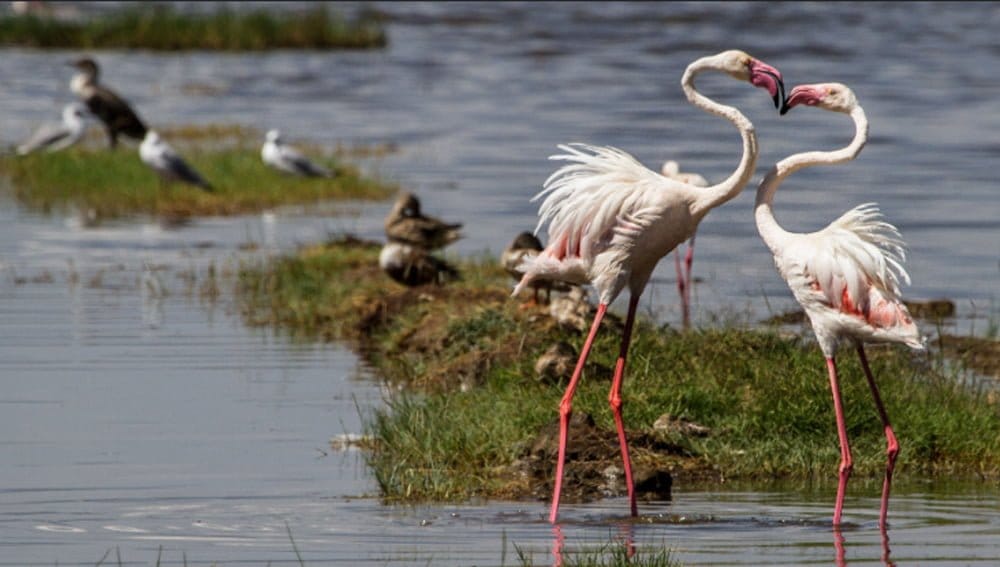
The ecosystem supports around 56 species of mammals, including rhinos, buffaloes, and countless terrestrial birds.
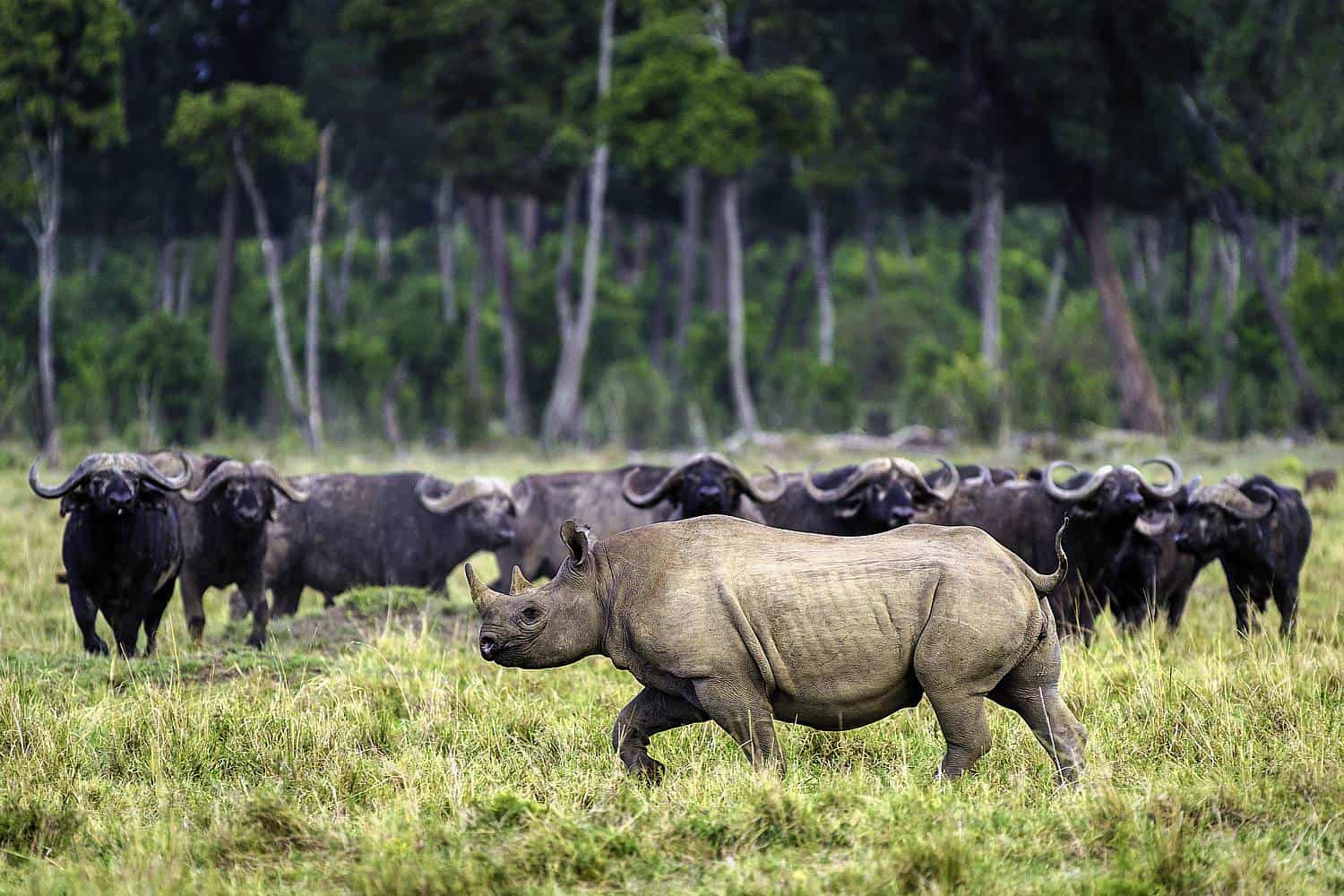
We can also spot both black and white rhinos — the black rhino being far more endangered. The white rhinos were reintroduced here as part of a rehabilitation project.
Because poaching is still a serious issue in Kenya, the park’s fenced borders protect the animals — Lake Nakuru is the only fenced national park in Kenya, created to keep poachers out.
The success of this project has allowed rhino populations to breed again. Young rhinos from Nakuru are now transferred to 23 other parks to help restore the species across Africa.
Elephants also thrive here but remain threatened by ivory demand in parts of Asia.
We arrive before lunch at Lake Nakuru Sopa Lodge, check in, and enjoy a delicious meal — along with breathtaking views right from our room!
(Optionally, accommodation can be upgraded to Sarova Lion Hill Game Lodge, subject to availability.)
In the afternoon, we embark on our first game drive around the lake, where rhino sightings are almost guaranteed.
Along the lake’s shores, we’ll also encounter hippos, crocodiles, and over 450 bird species in their natural habitat.
The flamingo spectacle on Lake Nakuru is one of nature’s most astonishing shows — and we’re the lucky audience.
We’ll also meet the elegant Rothschild’s giraffes, brought here from western Kenya for conservation. In 2018, there were only around 1,400 adults left in the park — one of Africa’s most endangered giraffe populations, now under Kenyan government protection.
Dinner and overnight stay at Lake Nakuru Sopa Lodge.
Rest well — tomorrow’s photos will thank you for your beauty sleep!
Day 4 – Lake Nakuru – Lake Naivasha
After breakfast and check-out, we enjoy one last morning safari in Nakuru — a chance to witness the savanna awakening, as animals begin their daily search for food and water.
We then continue our drive toward Lake Naivasha, arriving in time for lunch.
Check-in at Lake Naivasha Sopa Lodge 4★, enjoy lunch, and relax in the peaceful garden setting.
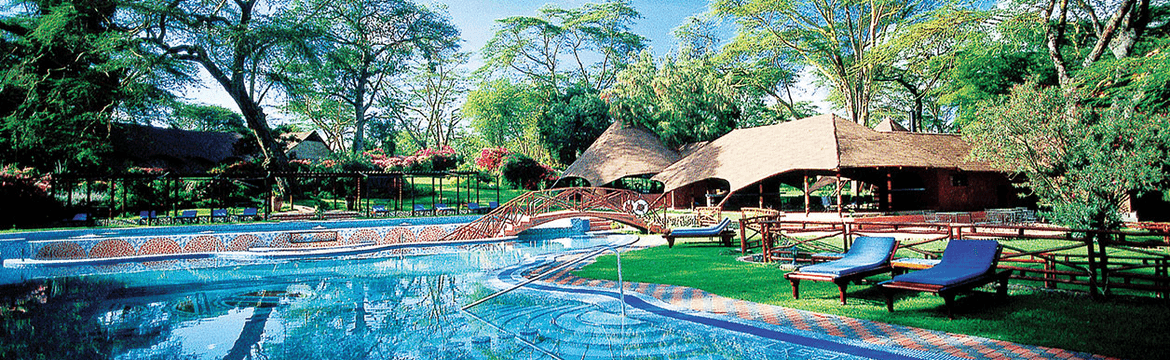
We’ll take a one-hour boat ride on the lake, observing birds and wildlife up close — hippos, pelicans, cormorants, herons, and many more.
Lake Naivasha is home to a stunning variety of species, including kingfishers, pelicans, African fish eagles, and even giraffes, zebras, buffaloes, and colobus monkeys around its shores.
The lake’s name comes from the Maasai word “Nai’posha”, meaning “rough waters”, due to the sudden storms that sometimes stir its surface. Being a freshwater lake, many scientists believe it is fed by an underground spring, though its source remains a mystery.
Located at 1,884 meters above sea level, Lake Naivasha is the highest point in Kenya’s Great Rift Valley, surrounded by volcanic rock formations and fed by the Malewa and Gilgil rivers.
For adventure lovers, there’s an optional bike tour through Hell’s Gate National Park — an exciting 16 km cycling route where you might encounter zebras, gazelles, giraffes, and wildebeest along the way.
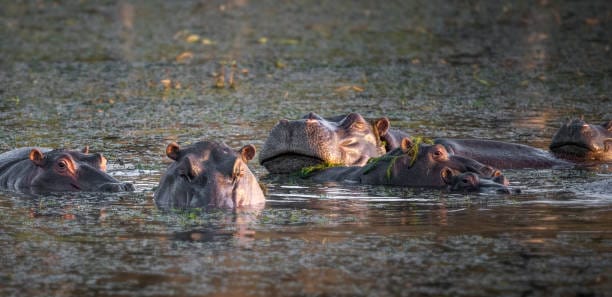
Dinner and overnight stay at Lake Naivasha Sopa Lodge.
Day 5 – Lake Naivasha – Nairobi
After breakfast at the lodge, we drive back to Nairobi (about 1.5 to 2 hours, depending on photo stops).
We’ll celebrate the end of our Kenyan journey with a farewell dinner at the famous Carnivore Restaurant — the perfect place for one last Kenyan-style selfie!
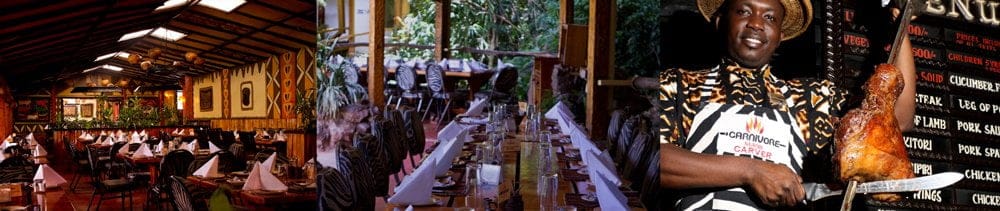
After dinner, we transfer to the airport for check-in and our overnight flight from Nairobi to Bucharest.
Bye-bye, Kenya!
We take home unforgettable memories, thousands of photos, and a heart forever touched by Africa.
Though short, this Nairobi stop reminded us how much there is to explore.
Read more in my “Nairobi Story” — where you’ll find tips on visiting the Giraffe Center, or sipping cocktails with a city view at The View, Mövenpick Hotel 5*
In Conclusion
If you’re dreaming of a journey that combines adventure, nature, culture, and relaxation, Kenya is the perfect choice.
It’s not just a trip — it’s an experience that changes how you see the world.
Join us and feel the real Africa.
We can tailor your itinerary based on your travel dates, group size, and preferences.
Let’s design your African dream together!
Daniela Berbece
Founder & Travel Designer
📞 +40 741 559 352
📧 daniela@enjoytouring.ro
🌐 enjoytouring.ro/blog
Useful Travel Info – Kenya
🔹 Visa: must be obtained online before arrival at etakenya.go.ke. No visas issued upon arrival.
🔹 Vaccinations: Yellow fever (mandatory with the Yellow Card), typhoid, hepatitis A & B, diphtheria, and polio recommended.
🔹 Travel insurance: strongly advised — Kenya’s private healthcare is reliable but costly.
🔹 Best time to visit: June–September, during the Great Migration.